Stay Updated with the Latest OHA News
Earth Day Celebration – Update!
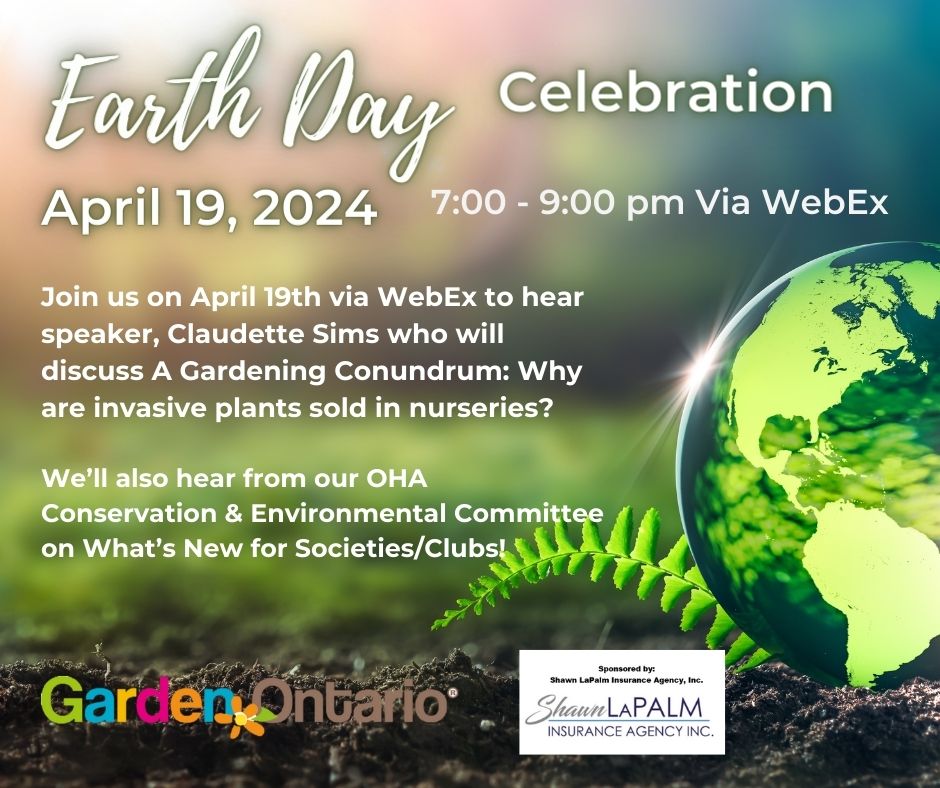
We are excited to share that the OHA GardenOntario is hosting an Earth...
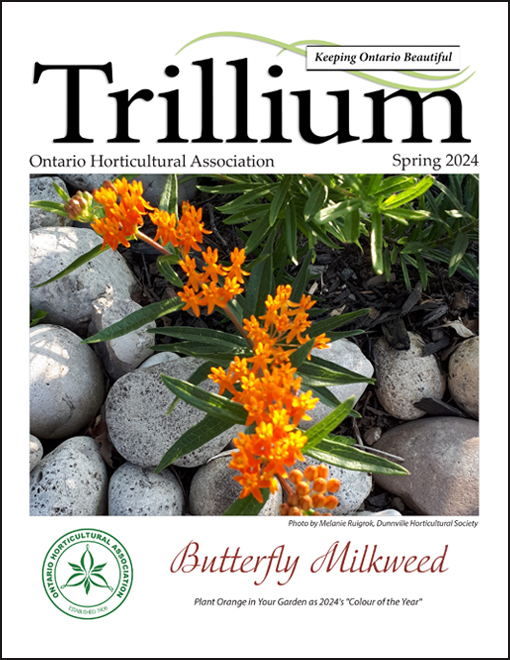
The OHA Trillium, Spring 2024
Need a break from digging, planting and working in the garden? Put your...
Earth Day Celebration
April 19, 2024 7:00 - 9:00 pm Via WebEx Join us on April 19th via WebEx...
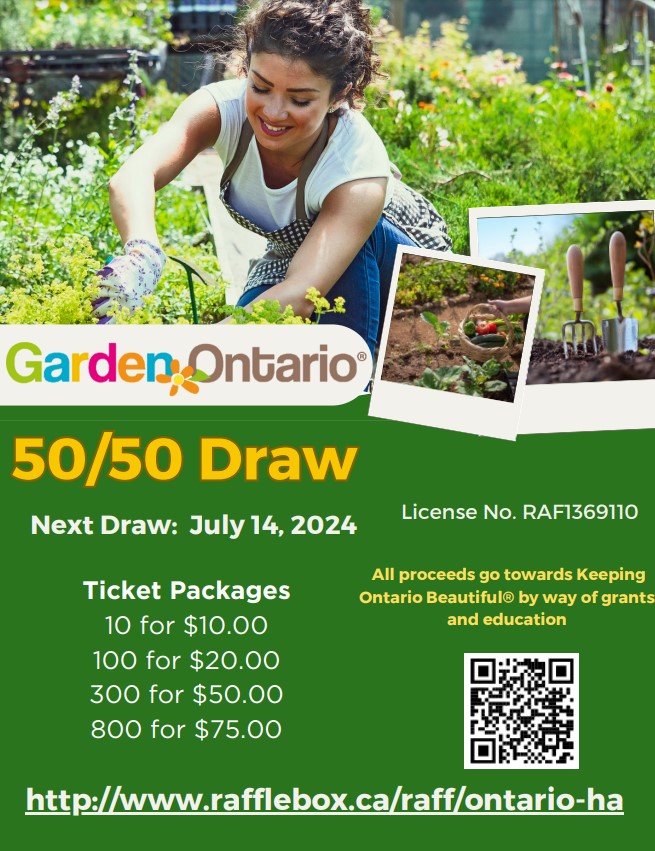
50/50 Draw Winner Announced!
We are excited to share that our Draw #8 winner is Erin McClure of Bath,...
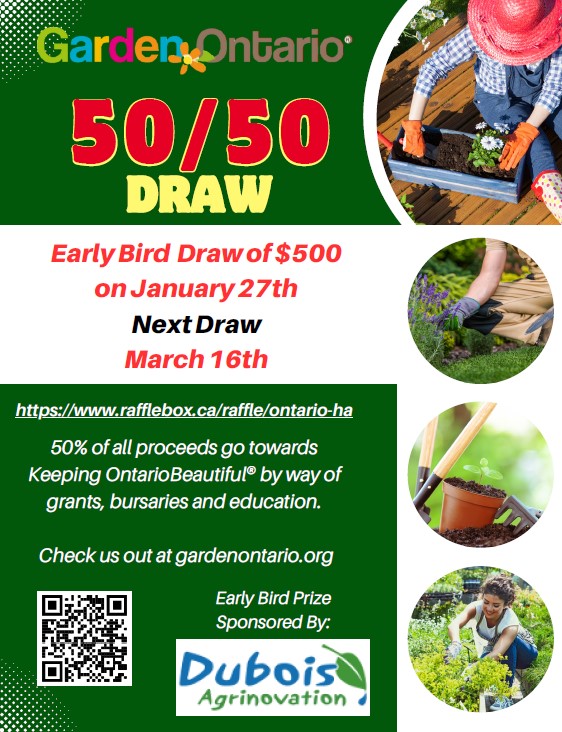
50/50 Draw Early Bird Winner
The Early Bird Winner in our 50/50 raffle was chosen on January 27th. ...
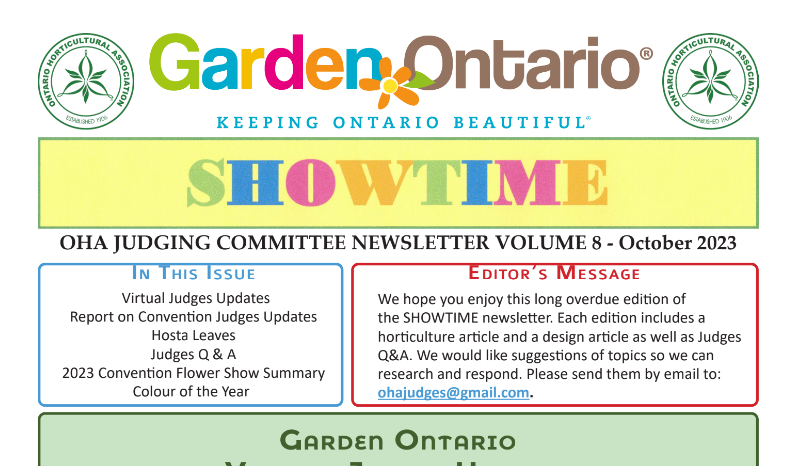
New Edition of Showtime
We are excited to announce that a new edition of Showtime, the newsletter...
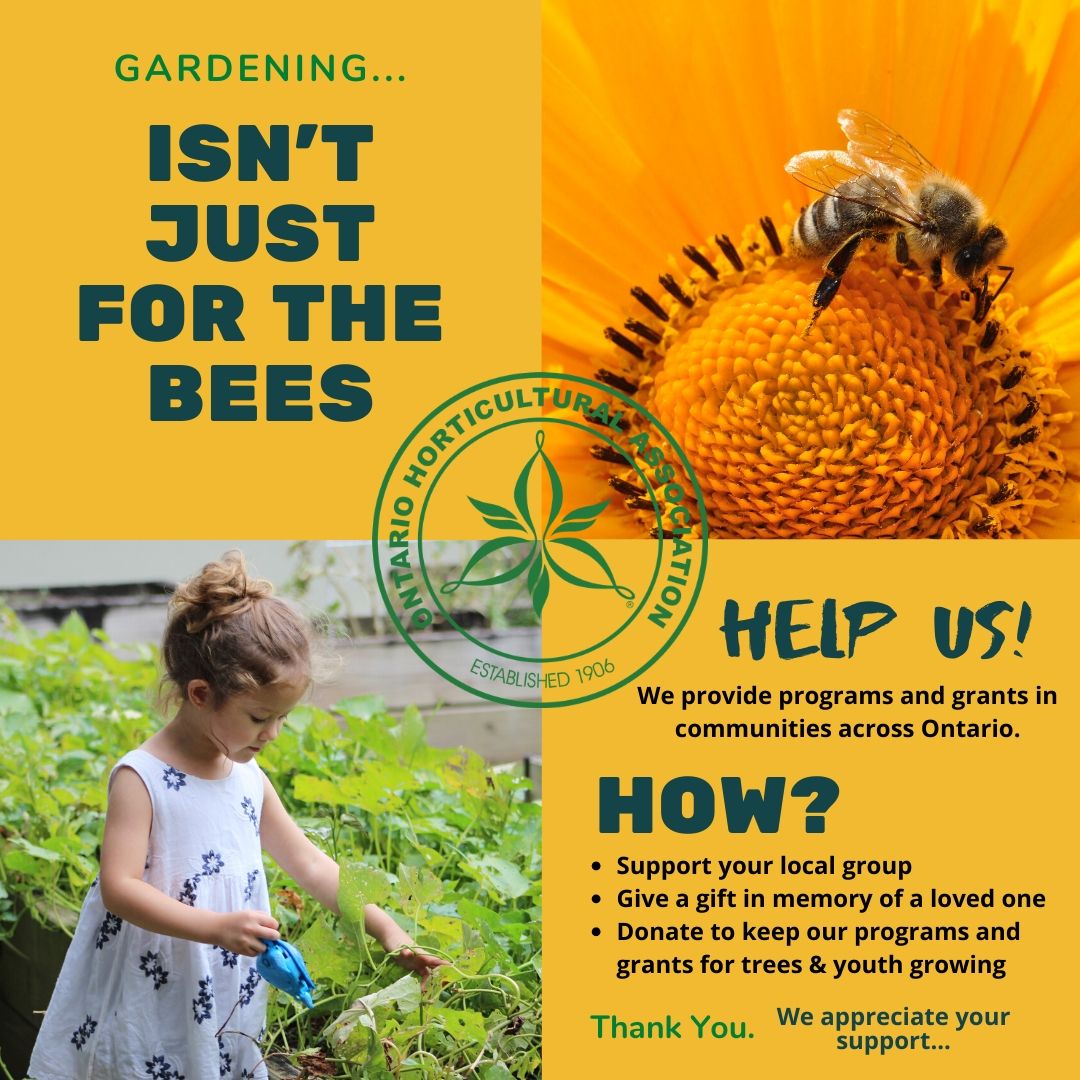
The Trillium News
Enjoy past editions of our newsletter.
Search the Trillium newsletter archives and click to download. For a specific edition of the Trillium not listed, please contact the Editor
2024 Archive of The Trillium Newsletter
2022 Archive of The Trillium Newsletter
2020 Archive of The Trillium Newsletter
2018 Archive of The Trillium Newsletter
2016 Archive of The Trillium Newsletter
2014 Archive of The Trillium Newsletter
2012 Archive of The Trillium Newsletter
2010 Archive of The Trillium Newsletter
2008 Archive of The Trillium Newsletter
2006 Archive of The Trillium Newsletter
2023 Archive of The Trillium Newsletter
2021 Archive of The Trillium Newsletter
2019 Archive of The Trillium Newsletter
2017 Archive of The Trillium Newsletter
2015 Archive of The Trillium Newsletter
2013 Archive of The Trillium Newsletter
2011 Archive of The Trillium Newsletter
2009 Archive of The Trillium Newsletter
2007 Archive of The Trillium Newsletter
Trillium Deadline Dates and Submissions
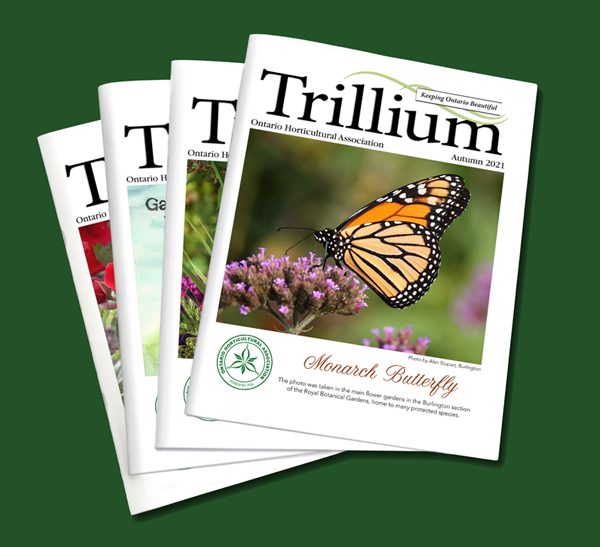
The Trillium is published 4 times per year:
March 1 – Spring issue
June 1 – Summer Issue
September 1 – Autumn Issue
December 1 – Winter Issue
Submission Guidelines:
Articles for the Trillium should be sent in the following formats: for Windows – Word or plain text; and for Mac/OSX – please use Pages. Photos and other graphics should be sent as separate files (min res 1,000 x 800 pixels) and not as part of a Word file. Full-sized original files are happily accepted.
Email your articles to editor@gardenontario.org
Reports & Statements
We provide annual reports that you can review. These reports showcase the work of the OHA and the many projects we support across Ontario.